A Buyer in Hamburg Typed Six Words Into Google: Those Six Words Were Worth $340,000
Last autumn, a procurement officer at a German specialty food distributor needed a new source for premium Omani dates. The previous supplier had delivery issues. The company needed someone reliable, certified, capable of shipping 20-ton containers to Hamburg on a quarterly basis.
This buyer did not fly to Muscat. Did not attend Gulfood. Did not call the Omani embassy in Berlin. Did not browse Alibaba.
He opened Google on his office computer in Hamburg-Altona at 9:15 AM on a Wednesday and typed: “premium dates supplier Oman bulk.”
Seven results appeared on page one. Three had professional English-language websites with product specifications, export certifications, packaging options, FOB pricing, and a direct inquiry form. The buyer contacted all three that afternoon. Within six weeks, he signed a supply agreement worth $340,000 annually with one of them.
The other 40+ date producers and exporters in Oman — many with superior product quality, better pricing, and decades of experience — were nowhere in those search results. They do not have websites that Google can find. Some have no website at all. Some have a single-page site in Arabic with a phone number and a fax line. Some have websites that describe their company in vague terms like “we are committed to excellence and quality” without mentioning a single product specification, certification, or shipping capability.
These companies attend exhibitions. They print brochures. They wait for the Ministry of Commerce to include them in trade delegations. They rely on relationships built fifteen years ago. And they are slowly, steadily losing ground to competitors in Saudi Arabia, Iran, Tunisia, and Egypt who have figured out that in 2026, the first place a European buyer looks for a supplier is not a trade fair booth — it is a search engine.
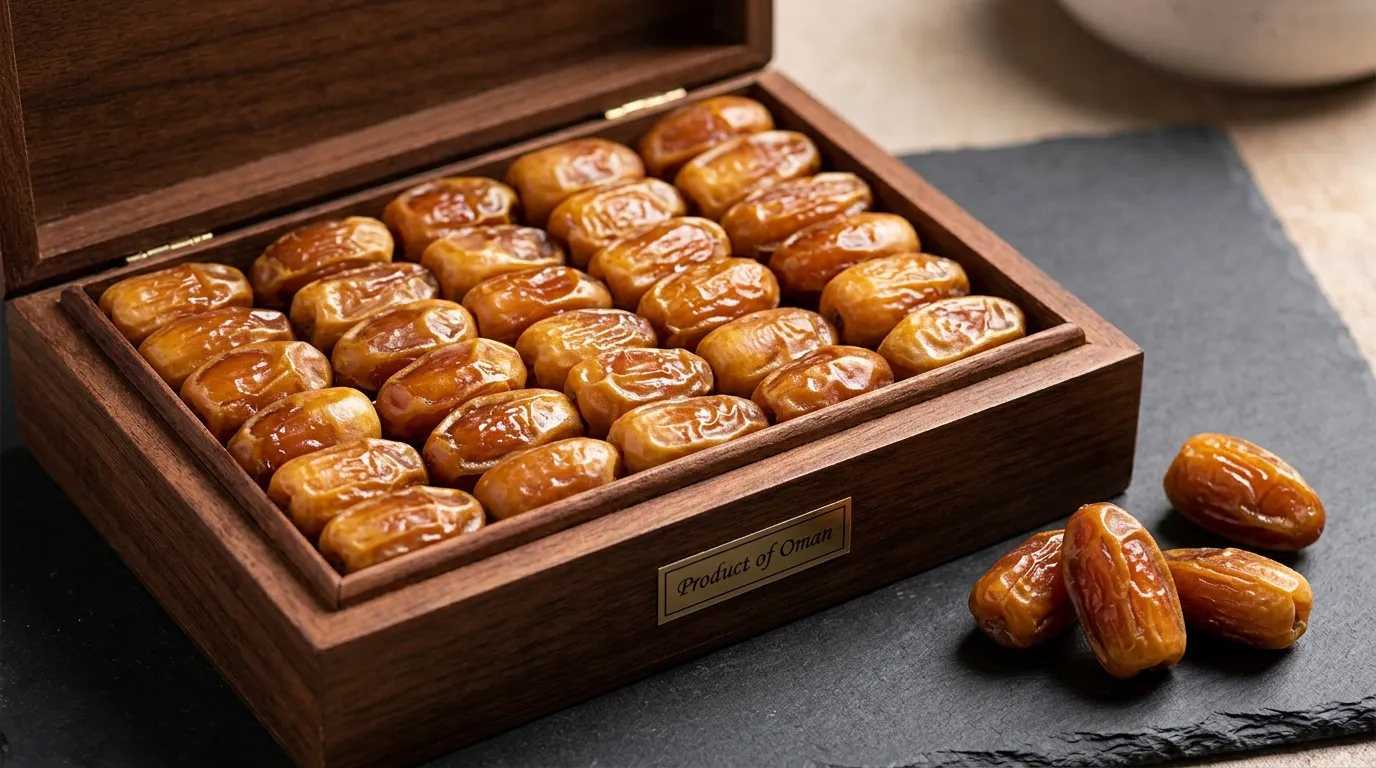
Oman’s $18.7 Billion Export Ambition Has a Website Problem
Oman’s non-oil exports reached approximately $18.7 billion in 2024, a figure the government aims to push significantly higher under Oman Vision 2040. The National Program for Enhancing Economic Diversification (Tanfeedh) has identified manufacturing, fisheries, mining, logistics, and agriculture as priority sectors for export growth. The Oman Investment Authority, Asyad Group, and the Public Authority for Special Economic Zones are actively building the infrastructure — ports, free zones, logistics corridors — to make Omani goods competitive in international markets.
But infrastructure alone does not create exports. Buyers create exports. And buyers need to find you before they can buy from you.
Here is where Oman has a significant blind spot. The physical export infrastructure is advancing rapidly. Sohar Free Zone hosts over 100 industrial companies. Duqm Special Economic Zone is positioning itself as a manufacturing hub with direct shipping routes to East Africa, India, and Southeast Asia. Salalah Free Zone offers access to one of the busiest shipping lanes in the world through the Port of Salalah. The raw capacity exists.
What does not exist, in most cases, is the digital infrastructure that connects these producers to international buyers. A chromite mining operation in Al Dakhiliyah with no English-language website is invisible to a steel manufacturer in Turkey searching for “chromite ore supplier Middle East.” A frankincense cooperative in Dhofar with no web presence beyond a Facebook page cannot be found by a European aromatherapy brand searching “Boswellia sacra wholesale Oman.” A seafood processing plant in Sur that exports yellowfin tuna to Spain but has no digital footprint outside of trade fair contact sheets is one buyer retirement away from losing its European distribution entirely.
The gap is not awareness. Omani businesses know they need international buyers. The gap is understanding that in 2026, the mechanism for finding those buyers has fundamentally changed — and the companies that have adapted are capturing market share from those that haven’t.
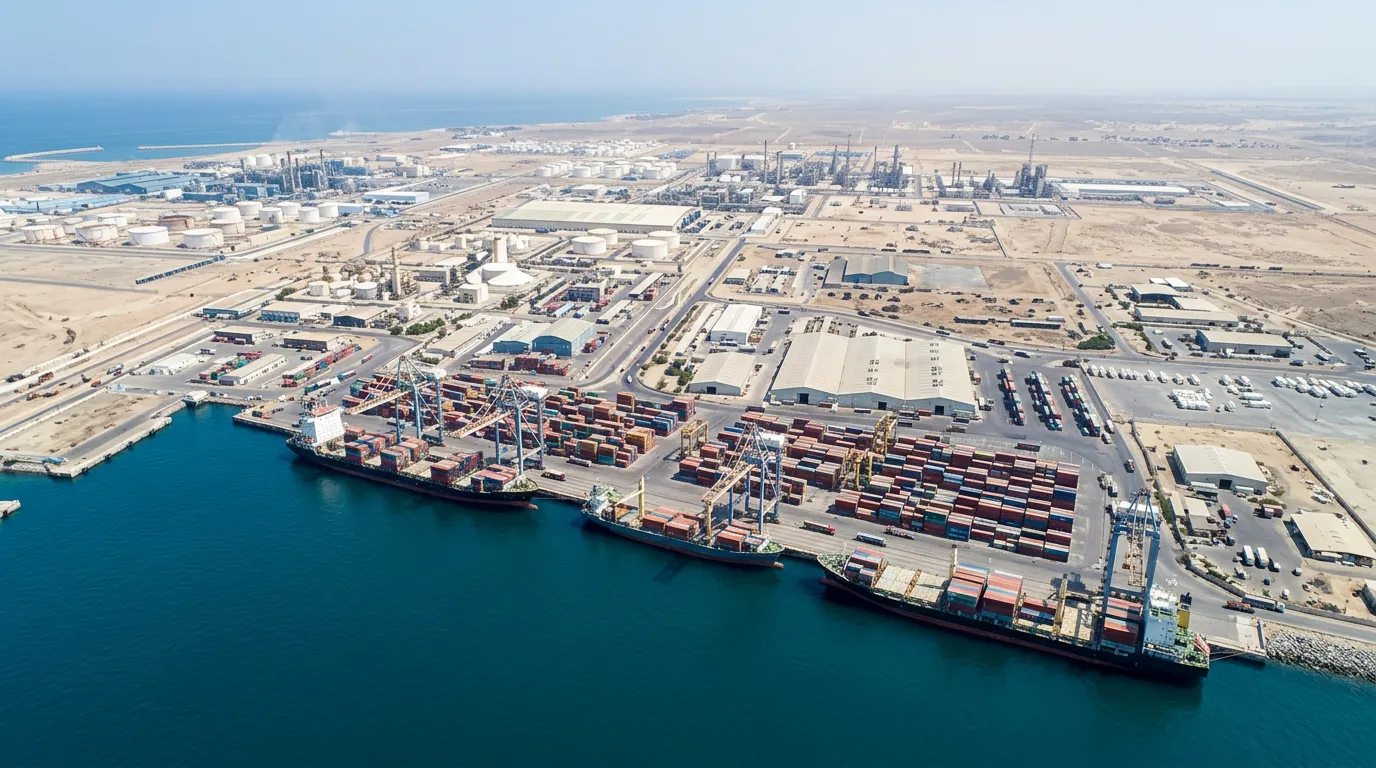
How a Purchasing Manager in Europe Actually Finds a Supplier in 2026
Forget what you think you know about international trade procurement. The buyer journey has been transformed over the past five years, and most exporters — especially in the GCC — have not caught up.
A 2025 report by McKinsey found that 71% of B2B buyers globally now begin their supplier search online. Not at trade shows. Not through embassy referrals. Not through chambers of commerce. Online. Specifically on Google. The report also found that the average B2B buyer completes 57% of their purchasing decision before ever contacting a potential supplier directly. They have already researched products, compared specifications, checked certifications, read about the company, and shortlisted two or three options — all through what they found on Google.
For European buyers specifically, the procurement process typically follows this sequence:
Stage 1: Discovery. The buyer searches Google using product-specific and origin-specific keywords. “Limestone supplier Oman,” “food grade gum arabic Middle East,” “frozen shrimp exporter Gulf region.” They scan the first page of results. They click on companies with professional websites showing relevant product information. Companies without websites or with poor websites do not exist at this stage.
Stage 2: Qualification. The buyer spends 3 to 8 minutes on each website evaluating whether the company is a viable supplier. They look for: product specifications and grades, export certifications (ISO, HACCP, GlobalGAP, CE marking), production capacity, packaging and shipping options, existing export markets, and company history. Websites that present this information clearly and professionally make the shortlist. Websites that say “contact us for details” without providing any substantive information get closed immediately.
Stage 3: Verification. Before making contact, the buyer checks the company’s credibility through secondary sources. Google reviews, LinkedIn company page, trade directory listings (Kompass, ThomasNet, TradeArabia), and sometimes the company’s social media presence. A company with a professional website, a LinkedIn page showing real employees and real activity, and positive reviews or testimonials creates confidence. A company with no digital footprint beyond the website raises questions.
Stage 4: Contact. Only after passing stages 1 through 3 does the buyer reach out — usually through an inquiry form or email. The entire process, from first Google search to first email, takes between 20 minutes and 3 days. The exporter who wins this process is not necessarily the best manufacturer. It is the one who presented themselves most effectively online.
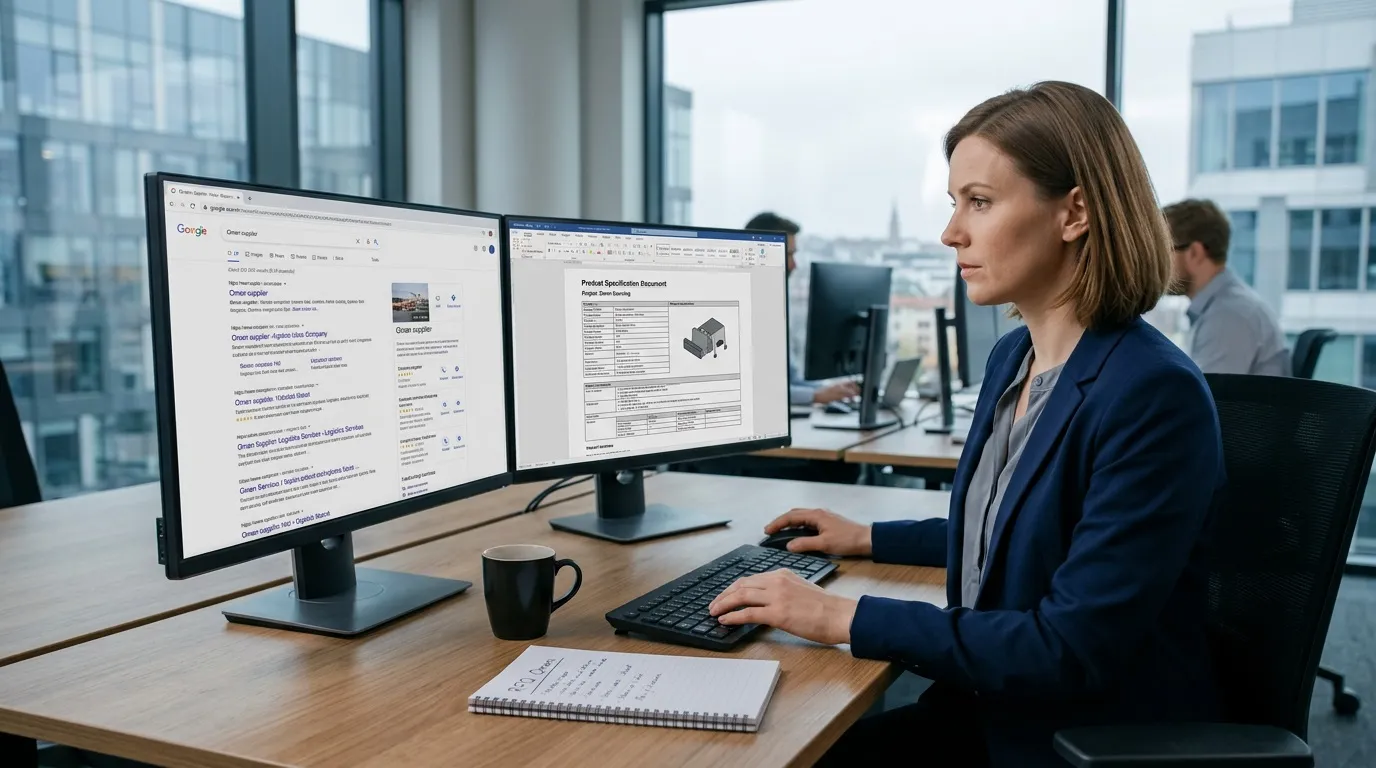
Frankincense, Dates, Seafood, Minerals, Halwa — Every Omani Export Category Has Untapped Search Demand
This is where the opportunity becomes concrete and measurable. Let me walk through the actual Google search volumes for products that Oman produces and exports, showing the international demand that currently goes unmet because Omani suppliers are not visible online.
Frankincense / Luban:
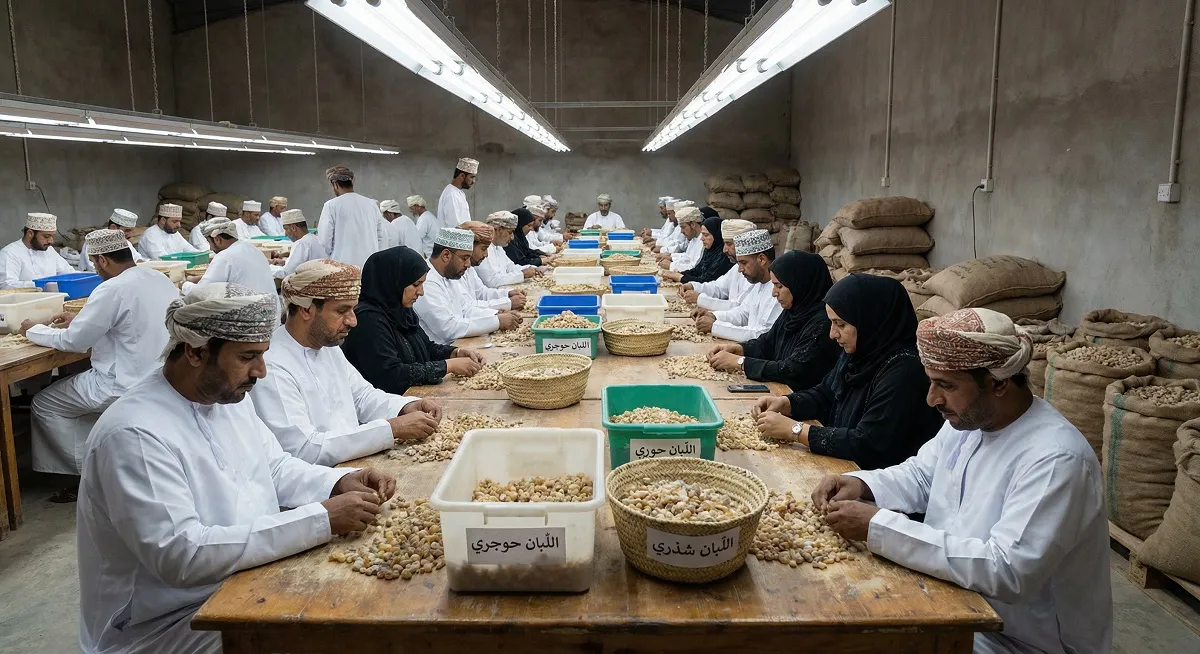
Global monthly searches for frankincense-related B2B queries exceed 38,000. “Frankincense resin wholesale,” “Boswellia sacra supplier,” “bulk frankincense oil Oman,” “organic frankincense tears wholesale” — these searches come from aromatherapy brands, cosmetics manufacturers, supplement companies, and religious goods distributors across Europe, North America, and East Asia. Oman produces the world’s most prized frankincense variety (Hojari/Hojary from Dhofar), yet most international buyers end up purchasing from intermediaries in India and the UAE because Omani producers simply do not appear in search results.
Dates:
Oman produced approximately 388,000 metric tons of dates in 2024, making it the eighth-largest date producer globally. Monthly Google searches for “dates supplier,” “bulk Medjool dates,” “Khalas dates wholesale,” and “organic dates Middle East” total over 22,000 internationally. Saudi Arabia and Tunisia dominate these search results with well-optimized exporter websites. Omani date producers, many of whom grow premium varieties like Khalas, Fardh, and Naghal, are largely absent from Google.
Seafood:
Oman’s fisheries sector exported approximately $580 million worth of seafood in 2024, including yellowfin tuna, kingfish, shrimp, lobster, and cuttlefish. European markets — Spain, Italy, France, and Portugal — are primary destinations. Monthly searches for “frozen tuna supplier,” “Gulf shrimp exporter,” “sustainable seafood Middle East,” and “cuttlefish wholesale” exceed 15,000 globally. Omani processors hold MSC and HACCP certifications that European buyers require, but this information is buried in PDF documents distributed at trade fairs rather than displayed prominently on searchable, indexable websites.
Minerals and Industrial Materials:
Oman exports chromite, gypsum, limestone, marble, and dolomite to markets across Asia and Europe. The mining sector contributed approximately $1.1 billion to GDP in 2024. B2B searches for “gypsum supplier Oman,” “chromite ore Middle East,” “Oman marble exporter,” and “limestone FOB Sohar” have consistent monthly volume among industrial procurement teams. Almost no Omani mining company has a website optimized for these searches.
Omani Halwa and Specialty Foods:
This is a niche but high-value category. Omani halwa (a traditional sweet made with ghee, sugar, nuts, and rosewater or saffron) has growing demand among Middle Eastern grocery importers in Europe, particularly in the UK, Germany, and Scandinavia, where Gulf diaspora communities are expanding. Searches for “Omani halwa wholesale,” “halwa supplier Muscat,” and “traditional Gulf sweets export” are small in volume but extremely high in conversion intent — a buyer searching this specific term is ready to place an order.
A Website That Sells to Rotterdam Is Not the Same as a Website That Sells in Ruwi
This distinction is critical and it is where most Omani companies get their digital strategy completely wrong. A website designed for local customers in Muscat serves a fundamentally different purpose than a website designed to attract international B2B buyers. The audience is different. The language is different. The information architecture is different. The trust signals are different. Conflating the two results in a website that serves neither audience effectively.
An export-focused website for an Omani manufacturer or producer needs to answer the questions that international buyers actually ask. Not “who are you” in vague corporate language, but:
What exactly do you produce, and to what specification? A marble exporter in Ibri needs product pages for each marble type — Royal Cream, Desert Gold, Oman Beige — with technical data sheets showing dimensions, tolerances, finishes, and packaging. A date exporter needs pages for each variety with moisture content, sugar profile, sizing grades, and shelf life information. Generic “we produce high-quality products” language tells a European buyer nothing and Google even less.
What certifications do you hold? European buyers do not import without documentation. ISO 22000 for food safety. HACCP for processing. GlobalGAP for agriculture. CE marking for industrial products. REACH compliance for chemicals. Your website needs a dedicated certifications page with downloadable certificates or at minimum clearly listed certification numbers. This is not optional — it is a qualification filter that buyers apply before reading anything else.
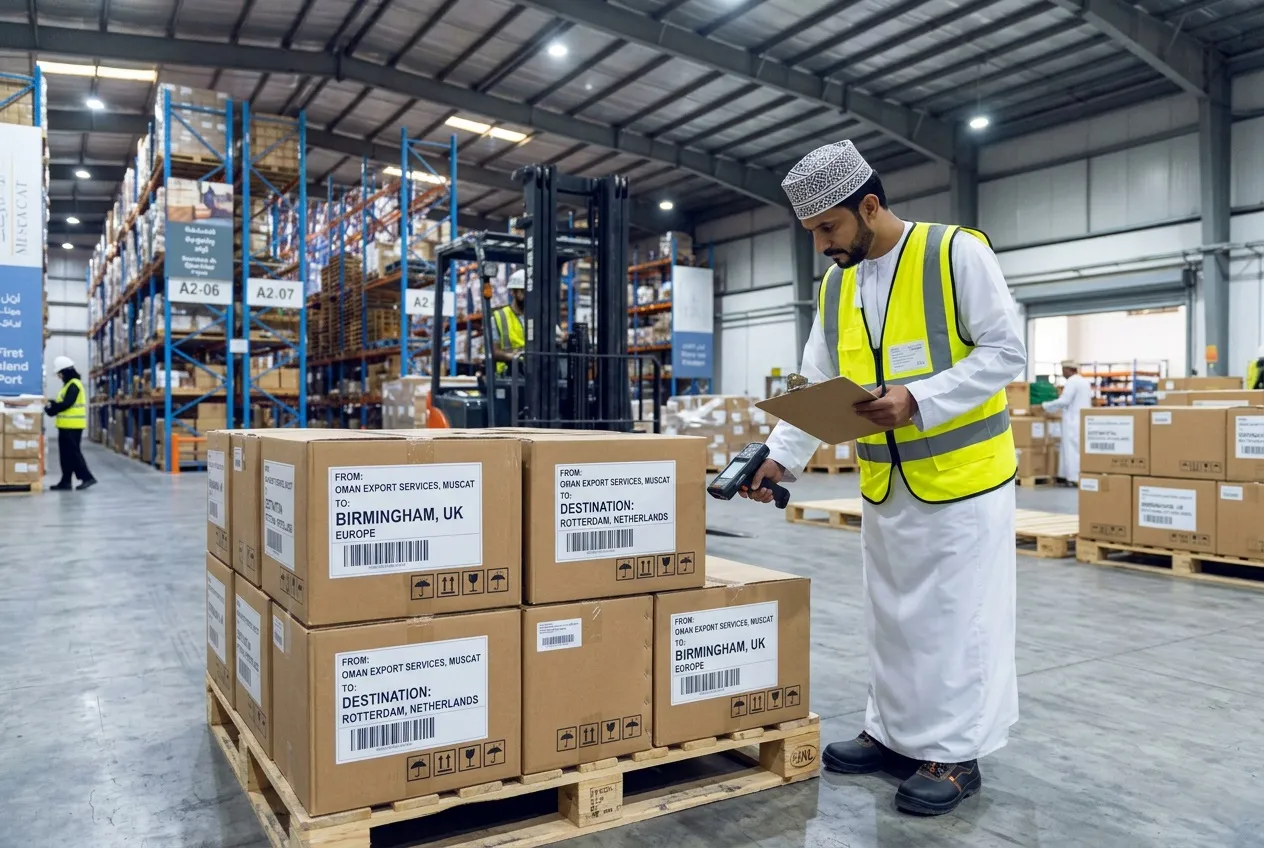
Where can you ship and on what terms? FOB Sohar, CIF Rotterdam, DDP Hamburg — these Incoterms matter. Buyers need to know your logistics capability. Do you ship in 20-foot or 40-foot containers? What is your minimum order quantity? What is the typical lead time from order to port? A dedicated “Export & Logistics” page answering these questions positions your website as a serious supplier, not a local business with international aspirations.
Who have you already exported to? Case studies, client testimonials, and export market lists build enormous credibility. “Currently supplying 14 clients across 6 European markets including Germany, Netherlands, Spain, Italy, UK, and France” carries more weight than any marketing slogan. If confidentiality prevents naming clients, at minimum list the countries and sectors you supply.
The website must be in English as the primary language — this is non-negotiable for European buyer targeting. Arabic can exist as a secondary language for Gulf and North African buyers. But the English content cannot be translated Arabic. It must be written natively in English, using the commercial and technical terminology that European procurement professionals expect.
Google Does Not Care That You Won an Award at Gulfood 2019
Harsh but necessary. Trade fair awards, ministry commendations, chamber of commerce memberships — these achievements matter in the physical world of handshakes and business cards. On Google, they are invisible unless they are strategically embedded in your digital presence.
Google’s E-E-A-T framework (Experience, Expertise, Authoritativeness, Trustworthiness) directly evaluates whether your website deserves to rank for competitive commercial queries. For an Omani exporter targeting B2B keywords, E-E-A-T signals include:
Experience: Does your website demonstrate that you have actually produced and exported these products? Real photos of your facility, your production line, your packaging process, and your products loaded into containers. Not stock images. Not manufacturer renders. Actual photographs taken in your factory in Nizwa or your processing plant in Barka or your warehouse in Sohar Free Zone.
Expertise: Does your content demonstrate deep product knowledge? A page about frankincense that explains the difference between Hojari, Najdi, and Shaabi grades, their respective uses in aromatherapy versus cosmetics versus religious ceremonies, and the grading system used in Dhofar — this signals expertise that Google rewards. A page that says “we sell premium frankincense” signals nothing.
Authoritativeness: Do other credible sources reference or link to your website? Trade directories, industry publications, export authority listings, and partner company websites that link to yours build domain authority. A press release about your participation in Anuga or SIAL that links to your website carries ranking value. An award mentioned only in a printed brochure carries zero digital authority.
Trustworthiness: Does your website function like a legitimate business? SSL certificate (HTTPS), physical address, named team members, verifiable contact information, privacy policy. European buyers are particularly attuned to trust signals because of GDPR awareness and general caution about international suppliers. A website without basic trust elements will not convert even if it somehow manages to rank.
The SEO You Need is Not Local — It is International, and the Rules Are Different
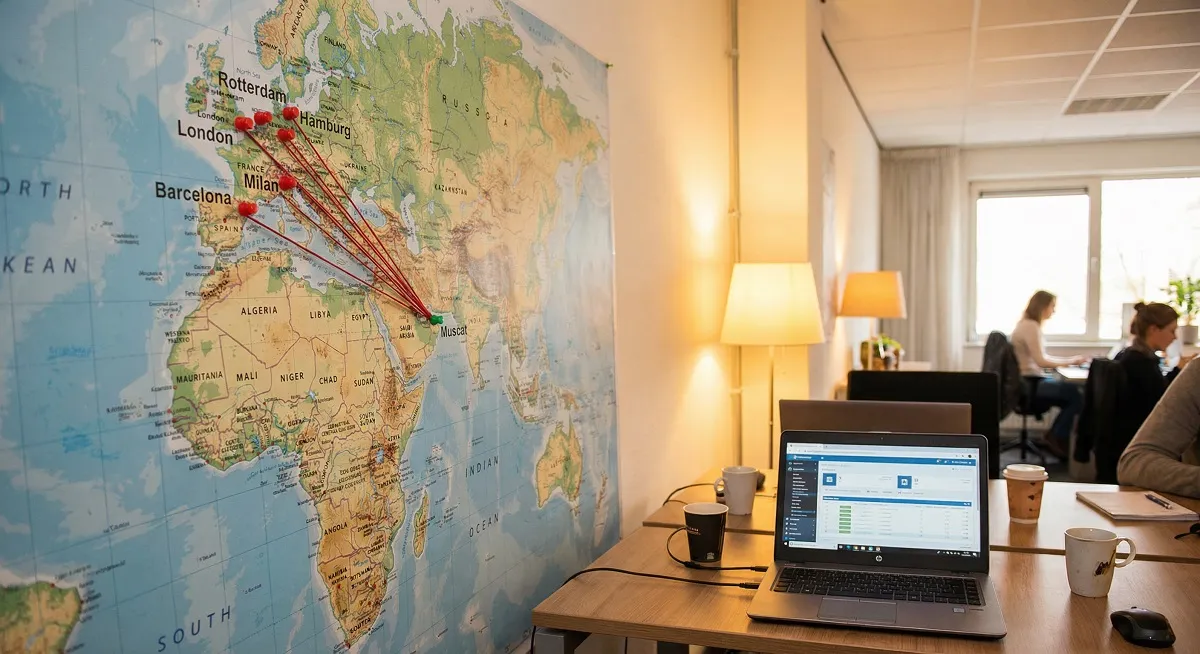
Every other article on this website talks about local SEO — ranking in the Map Pack, managing Google Business Profile reviews, capturing “near me” searches. For Omani exporters, the game is entirely different. You are not competing for customers in your neighborhood. You are competing for buyers in Hamburg, Rotterdam, Milan, Barcelona, and Manchester.
International B2B SEO requires a different technical approach:
Keyword targeting by buyer geography. You need to understand what a German buyer types versus what a Spanish buyer types. “Dates supplier” is searched differently in the UK (“dates wholesaler UK”) versus Germany (“Datteln Lieferant” or, more commonly in B2B, “dates supplier Europe” in English since English is the lingua franca of international procurement). Your content strategy should target English-language commercial queries with geographic modifiers that match your target markets.
Backlink profile from international sources. Local Omani directories and Arabic-language citations carry minimal weight for international B2B rankings. What matters is getting listed on international trade platforms (Kompass, Europages, ThomasNet, ExportHub), industry-specific directories, and earning mentions or links from trade publications, logistics partners, and certification bodies. A link from a European food industry publication to your seafood export page carries ten times the ranking value of a link from a Muscat business directory.
Content marketing that answers buyer questions. Blog content for B2B export SEO is not about “why choose us” posts. It is about creating the technical and commercial content that buyers search for during their research phase. Articles like “Omani Hojari Frankincense vs Ethiopian Frankincense — Quality Comparison and Pricing,” “Shipping Fresh Dates from Oman to Europe — Cold Chain Requirements and Shelf Life,” or “Chromite Ore Specifications for European Steel Production — Grades Available from Oman” target long-tail queries that attract exactly the right buyer at exactly the right stage of their procurement process.
Technical SEO for international crawling. Your website’s server response time needs to be fast for users in Europe, not just in Oman. A CDN (Content Delivery Network) ensures your pages load quickly regardless of where the buyer is located. Hreflang tags signal to Google which language version to show which audience. Clean URL structures, proper canonical tags, and XML sitemaps ensure Google crawls and indexes every product and service page efficiently.
One Omani Company Got This Right: Here is What Happened
Without naming the company, here is a real pattern that illustrates the difference digital visibility makes for an Omani exporter.
A mineral processing company based near Sohar had been exporting gypsum to India for over a decade through established trade relationships. Revenue was stable but not growing. European markets offered higher per-ton pricing but the company had no presence in those markets and no contacts.
In mid-2024, the company invested in a professional English-language website with detailed product pages for each gypsum grade, technical specifications, a downloadable product catalog, an export logistics page explaining FOB and CIF terms from Sohar Port, and a blog section with two technical articles about gypsum applications in European construction.
Within five months, the website ranked on page one of Google for “gypsum supplier Oman,” “gypsum FOB Middle East,” and “natural gypsum exporter.” Within eight months, the company had received 14 qualified inquiries from European buyers — construction material companies in Poland, Turkey, Italy, and Germany. Two of those inquiries converted into trial shipments. One became a recurring quarterly contract worth significantly more per ton than the existing Indian market pricing.
The total investment in the website, SEO, and content was a fraction of what a single trade fair booth at a European construction expo would have cost. And unlike the trade fair, which lasts three days and then goes away, the website continues generating inquiries every month.
This is not a marketing miracle. It is basic visibility math. The buyers were already searching. The product was already competitive. The only missing element was a website that Google could find and a buyer could trust.
SEO Services Packages
Google Business Profile Packages
Web Design Packages
TripAdvisor & Hospitality Packages
Your Factory Runs 24 Hours. Your Website Should Sell 24 Hours
The production lines in Sohar do not stop at 5 PM. The fishing boats out of Sur do not wait for business hours. The frankincense harvest in Dhofar does not pause for weekends. Omani producers work around the clock to create products that are genuinely world-class.
But the moment the product is ready to sell internationally, most of these companies go quiet. They wait. For a trade delegation invitation. For a repeat order from an existing client. For an introduction through a mutual contact. They wait while a buyer in Barcelona spends four minutes on Google, finds a Tunisian or Egyptian or Saudi supplier instead, and places an order that could have been theirs.
A website that ranks on Google for your product category works while your sales team sleeps. It answers buyer questions in Europe when it is 3 AM in Muscat. It collects inquiry forms over the weekend. It shows your certifications, your production photos, and your export track record to a procurement officer in Milan who will never attend a trade fair in Oman but who is ready to place a six-figure order if someone credible shows up in his search results.
Oman has the products. The ports are built. The logistics corridors exist. The quality is proven.
The missing piece is a search result.
Reach out today:
📞 +968 7922 9535
📧 seoingcc@gmail.com
🌐 SEOinGCC
Because your buyers’ procurement process has changed even if your production process has not. Twenty years ago, trade relationships were built through fairs, referrals, and phone calls. Today, 71% of B2B procurement begins with a Google search. Your existing buyers may stay loyal, but new buyers — the ones who will grow your revenue and diversify your market risk — are finding suppliers online. Every year without a website is a year of missed inquiries from buyers you will never know existed.
Trade platforms give you a listing among hundreds of competitors on someone else’s website. You control nothing — not the design, not the messaging, not the buyer’s experience. Your own website, ranking on Google for your specific products and origin, gives you full control of how your company is presented and captures the buyer’s attention before they ever reach a trade platform. The best strategy uses both: trade platforms for baseline visibility and your own website for premium positioning.
Commodities are only commodities when the buyer cannot see the differences. A website that explains your specific gypsum purity levels, your frankincense grading process, your seafood cold chain capability, or your date moisture control systems transforms a commodity into a specified product with clear quality indicators. European buyers pay premium prices for specified products from transparent suppliers. Your website is where that transparency lives.
You do not need a large website. An export-focused B2B site needs 10 to 15 pages: homepage, company profile, 3-5 product pages with specifications, certifications page, export logistics page, blog with 2-3 technical articles, and a contact page with inquiry form. This is a focused, lean website built for one purpose — converting a Google search into a buyer inquiry. It costs a fraction of a single trade fair trip to Europe and works 24 hours a day, 365 days a year.